 Tap a point
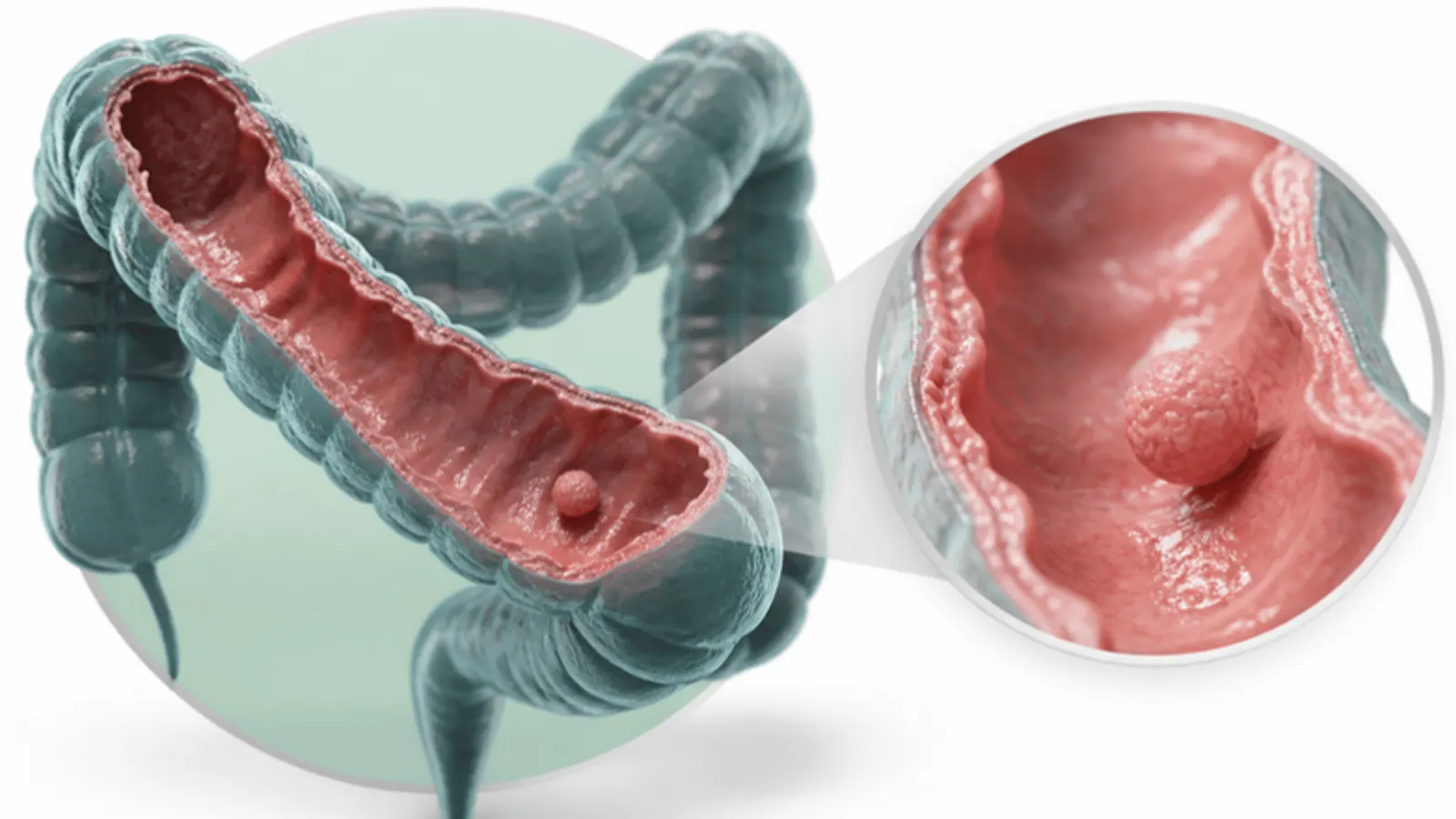
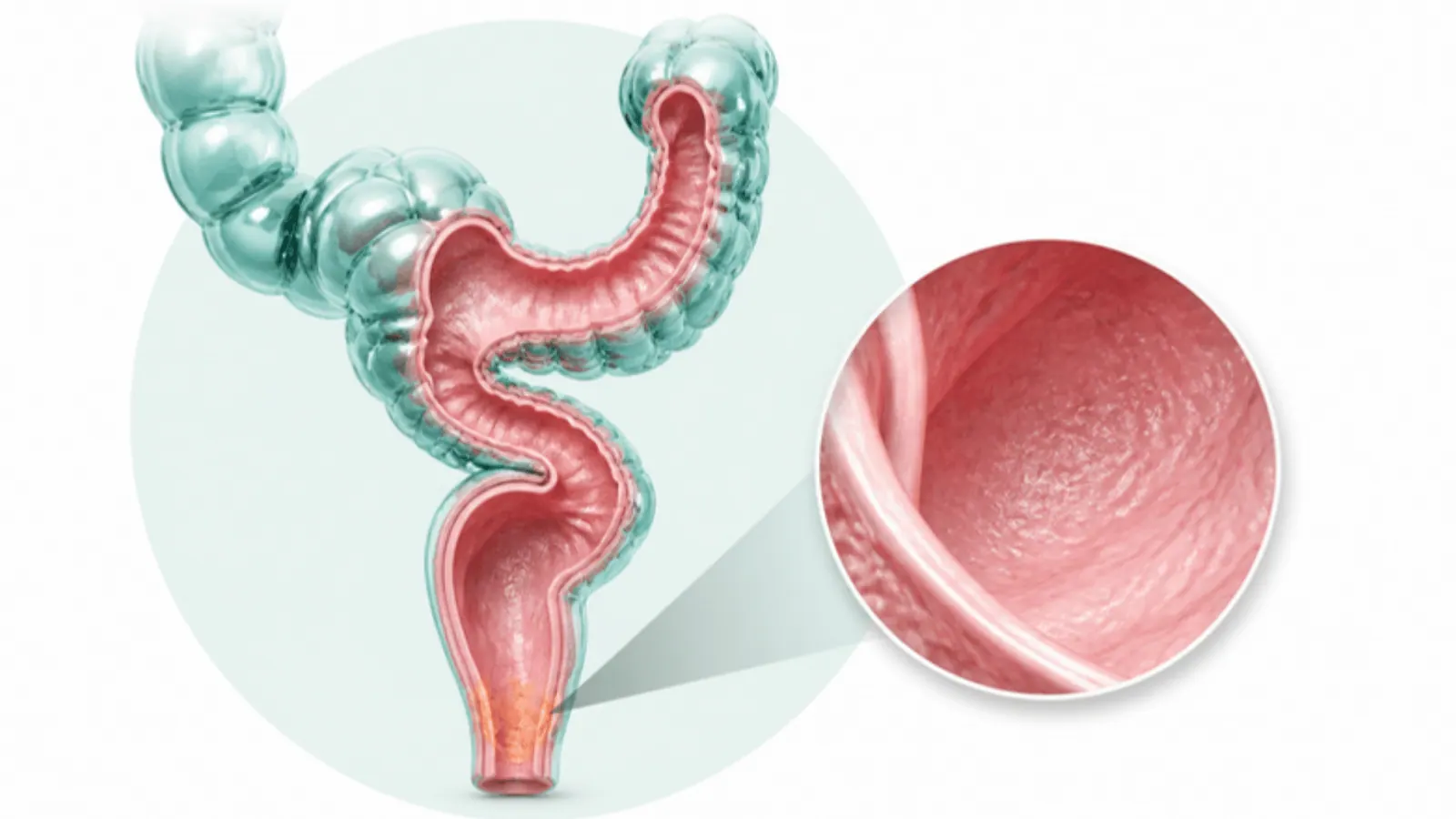
Lower rectum (illustrative)
Pelvic MRI shows how deep a tumour is and whether the anal sphincter can be saved, so that normal bowel control is kept wherever possible.
Illustration for education. Not a patient image or a diagnosis.
Symptoms
- Bright red blood in stool or on toilet paper
- A persistent urge to pass stool even after going
- Narrow or ribbon-like stools
- Pain or discomfort in the rectum
- Mucus discharge
- Change in bowel habit lasting over 2 weeks
Diagnosis and staging
- Digital rectal examination
- Colonoscopy and biopsy
- MRI of the pelvis — the key test, showing tumour depth and whether the sphincter can be saved
- CT scan for distant spread
- MDT review at Apollo Medics
Treatment — a personalised pathway
Depending on stage, treatment may involve chemoradiotherapy before surgery to shrink the tumour, then surgery, and sometimes chemotherapy afterwards.
Sphincter-preserving surgery (Low Anterior Resection / TME)
The goal in most rectal cancers is complete tumour removal while saving the anal sphincter — so you keep normal bowel control. Total Mesorectal Excision is the gold-standard technique Dr. Raza trained in within the UK.
Laparoscopic and robotic rectal cancer surgery (da Vinci Xi)
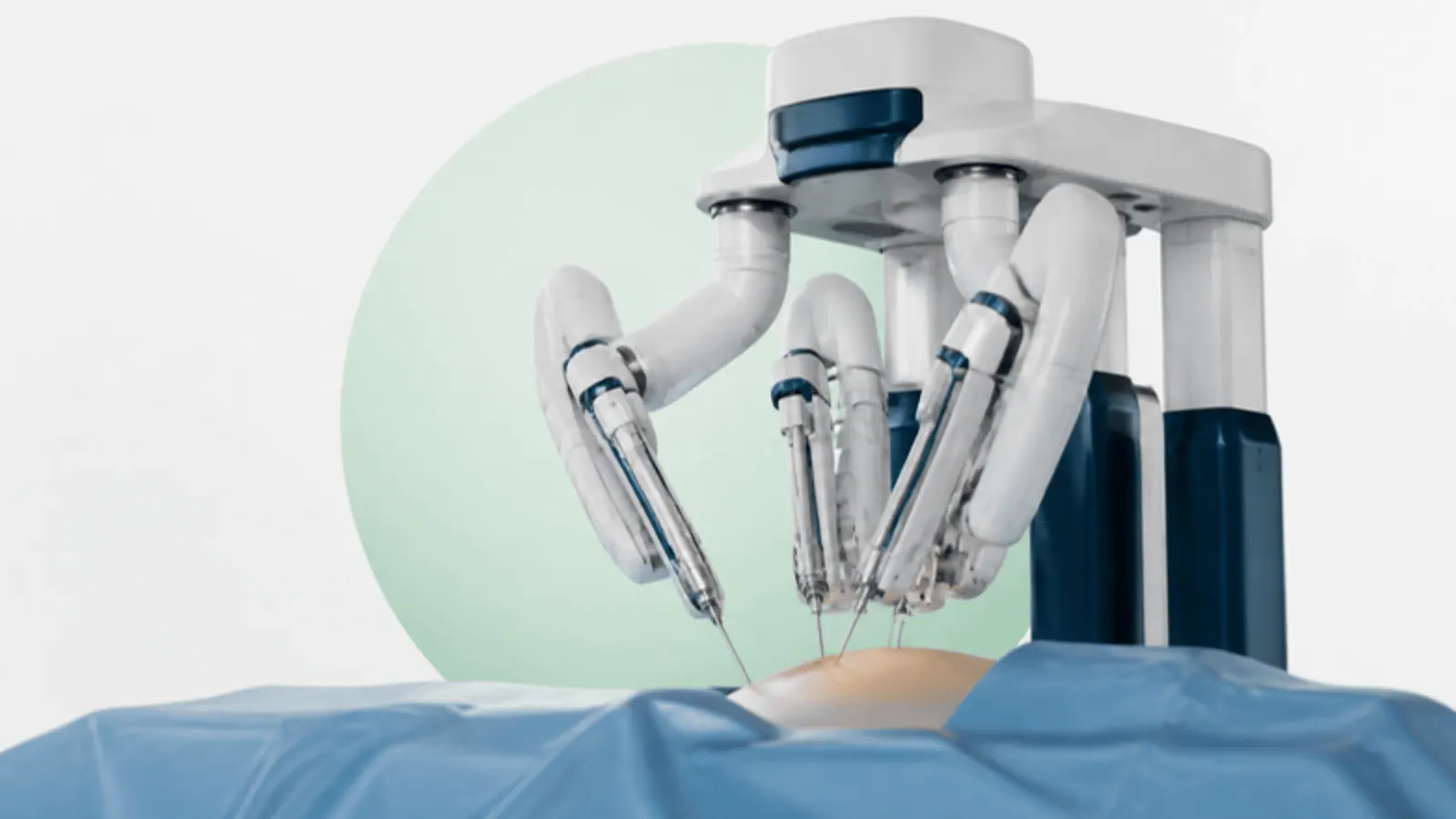
Minimally invasive access into the narrow pelvis — the robot's 3D view and wristed instruments are especially valuable here for precise nerve preservation, less blood loss and faster recovery. Dr. Raza performs robotic rectal cancer surgery at Apollo Medics.
Abdominoperineal Resection (APR)
For very low tumours involving the sphincter, where a permanent stoma gives the best cancer outcome. Dr. Raza discusses this openly and helps patients prepare.
Wait & Watch
A small group of patients whose tumour disappears completely after chemoradiotherapy may avoid surgery altogether, under strict surveillance. Dr. Raza offers Wait & Watch surveillance within the Apollo Medics multidisciplinary team for suitable patients.
Transanal surgery
For very early rectal cancers and large polyps — removal through the anus with no abdominal incision.
Life after rectal cancer surgery
Dr. Raza guides patients through temporary stoma care (if needed), bowel function recovery, and long-term surveillance with colonoscopy and CEA testing.
Book a consultation: +91 92780 72150
Recovery planner
When can I…? — Rectal cancer surgery
- Going home21 Nov – 23 Nov(day 5–7)
- Normal activity30 Nov – 14 Dec(day 14–28)
Typical ranges from this page's information, shown as dates for convenience. Dr. Raza will confirm your own plan. Individual results vary.