Who needs a colonoscopy?
- Blood in stool, or anaemia with no other explanation
- Change in bowel habit lasting more than a few weeks
- Screening — from age 45–50, or from 40 with a family history of colorectal cancer or polyps
- Surveillance after previous polyps or colorectal cancer
- Ulcerative colitis or Crohn's disease assessment
- An abnormal stool test (FIT) or CT scan
How to prepare
The day before: clear liquids from lunchtime and a laxative solution in the afternoon and evening to clean the bowel. This is the hardest part of the whole process — unpleasant but not painful, and over by bedtime. Detailed written instructions are given at booking, including adjustments for diabetes or blood thinners.
What happens on the day
- Arrive with an empty stomach; a small cannula is placed in the hand
- Sedation is given — most patients are drowsy and remember little
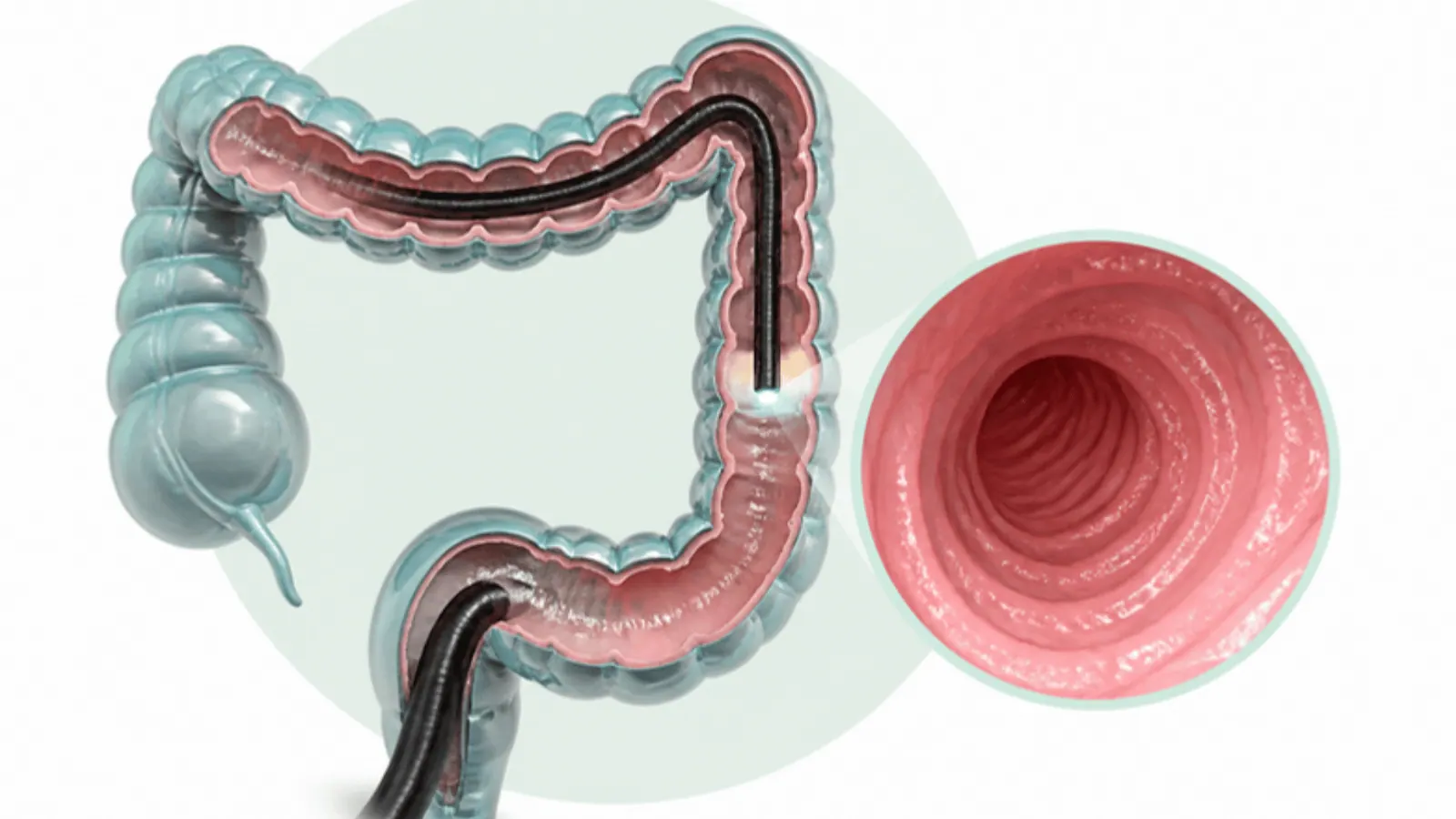
- The colonoscope is passed gently through the whole colon; air opens the bowel for viewing
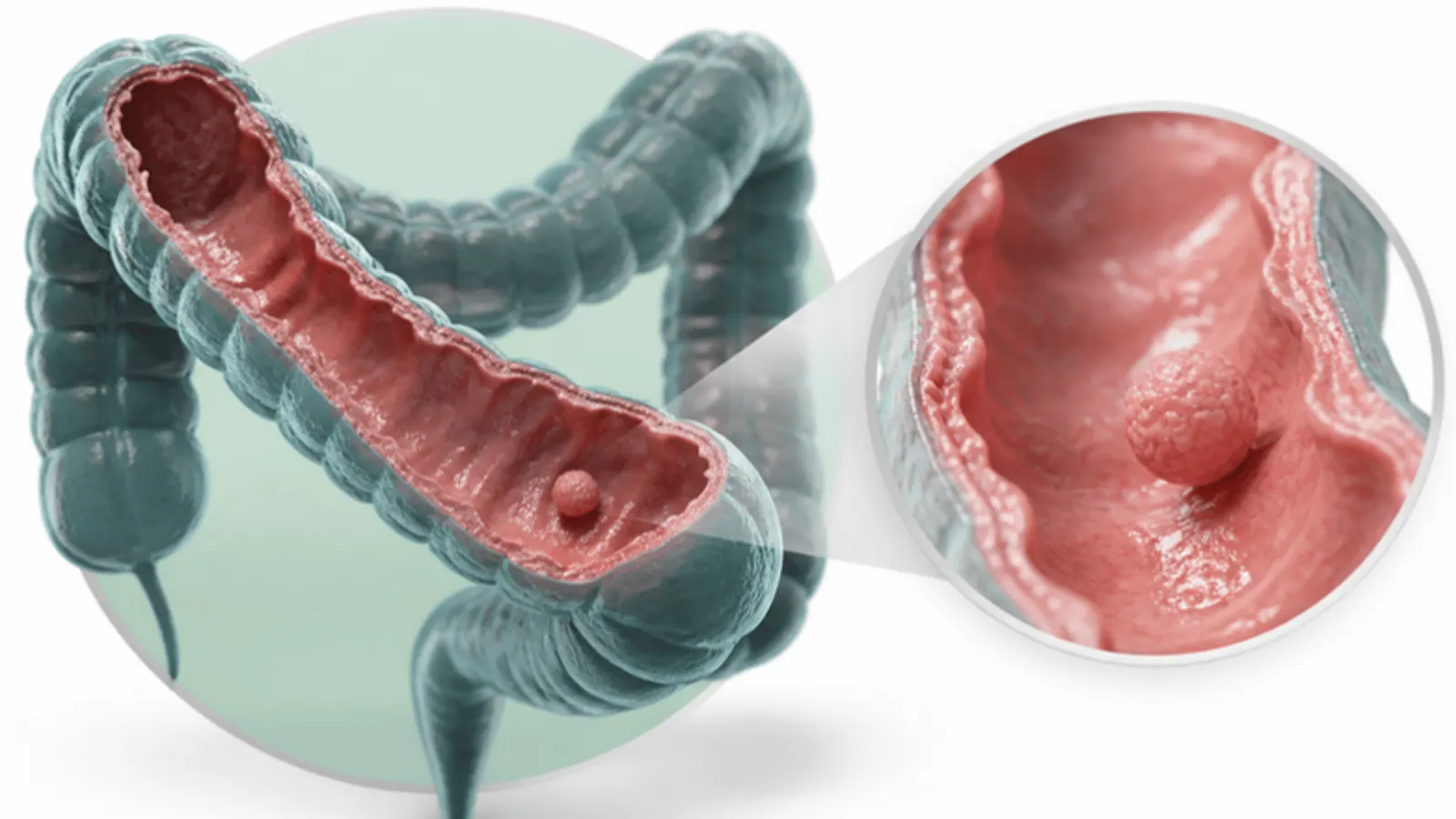
- Polyps are removed on the spot with a snare — the colon lining has no pain nerves, so removal is not felt
- Biopsies are taken if anything looks suspicious; bleeding piles can be banded in the same session
- 30–60 minutes in recovery, then home with a companion (no driving for 24 hours)
Results
Dr. Raza explains what was seen before you leave. Biopsy results take about a week. If the examination is normal with no risk factors, the next colonoscopy is typically in 10 years; if polyps were removed, 3–7 years depending on type and number.
Safety
Colonoscopy is very safe. Serious complications — bleeding after polyp removal or perforation — occur in roughly 1–3 per 1,000 procedures and are treatable. The risk of not having a colonoscopy when it is indicated is far greater.
Book a colonoscopy: +91 92780 72150 · Apollo Medics Superspeciality Hospitals, Lucknow
Colonoscopy kaise hoti hai? Ek patli, lachili camera tube se poori badi aant ki jaanch — 20–30 minute, behoshi ki dawa ke saath. Usi din ghar.
Questions patients ask
With sedation, most patients feel nothing or mild pressure. Most say it was far easier than they expected.
This content is for information only and is not a substitute for consultation. Individual results vary. Reviewed by Dr. Wasif Raza, Apollo Medics Superspeciality Hospitals, Lucknow. Home · Contact