What is laparoscopic surgery?
Instead of one large cut, the surgeon makes 3–5 small incisions (5–10 mm). A camera and fine instruments are inserted and the operation is performed while viewing a magnified image. The same operation — with far less trauma.
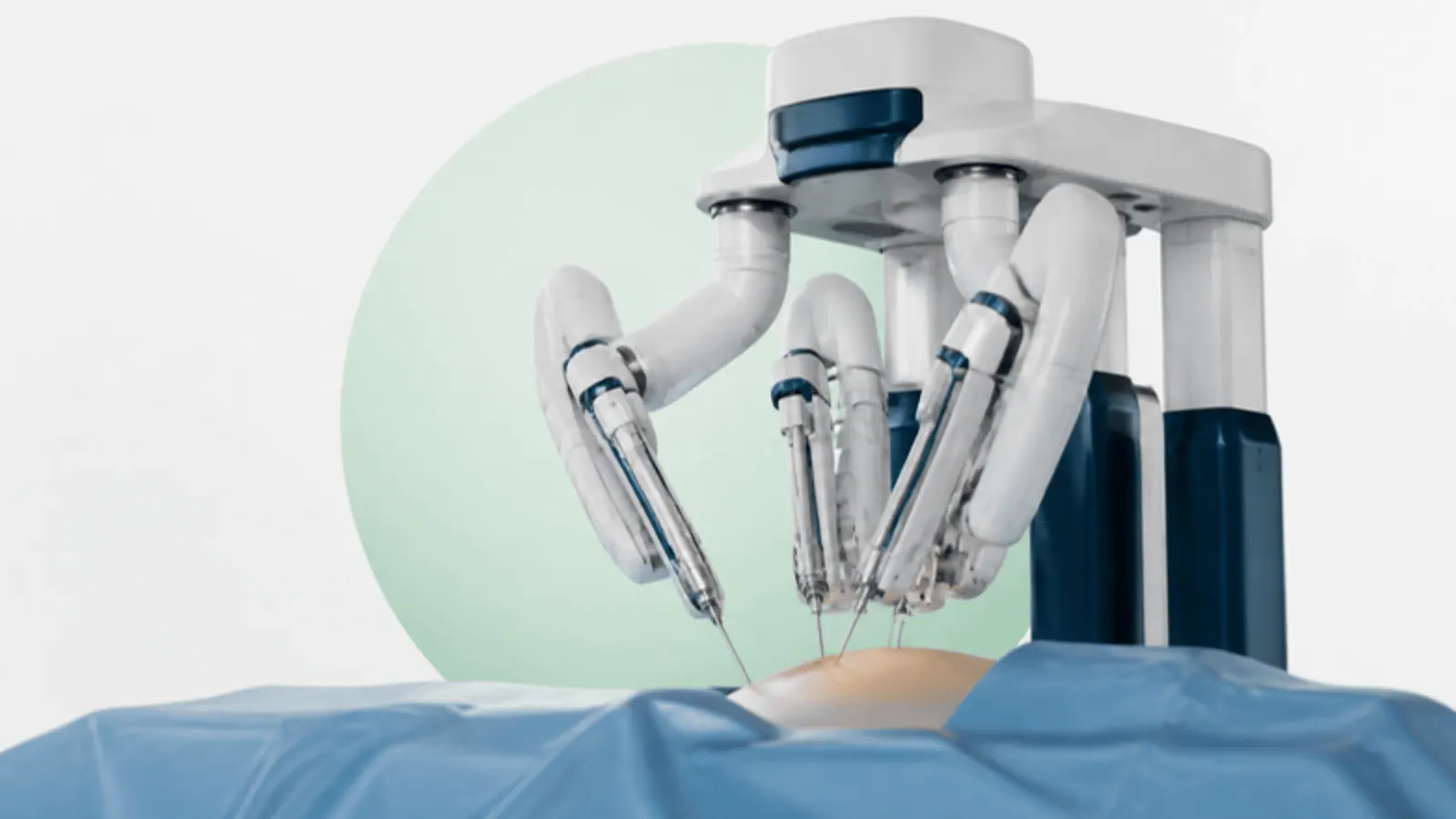
Robotic surgery on the da Vinci Xi at Apollo Medics
Laparoscopic surgery with an added layer of precision. The surgeon controls robotic arms from a console with 3D HD vision and instruments that rotate beyond the human wrist. Particularly valuable in confined spaces like the pelvis — for rectal cancer and complex hernias. Apollo Medics Lucknow operates the da Vinci Xi, and Dr. Raza performs robotic colorectal, rectal cancer and hernia surgery on it.
Laparoscopic vs open
| Laparoscopic / Robotic | Open | |
|---|---|---|
| Incision | 3–5 small cuts | One 10–20 cm cut |
| Pain | Low | Moderate–high |
| Hospital stay | 1–3 days | 5–10 days |
| Return to work | Within days | 4–8 weeks |
| Scarring | Minimal | Visible |
| Infection risk | Lower | Higher |
Open vs keyhole — drag to compare
Illustrative only; your surgeon decides the approach. Individual results vary.- Incision3–5 cuts of 5–12 mm
- Hospital stay1–3 days
- Return to workWithin days
- PainLow
Procedures performed laparoscopically and robotically
- Colon cancer resection
- Rectal cancer surgery (TME)
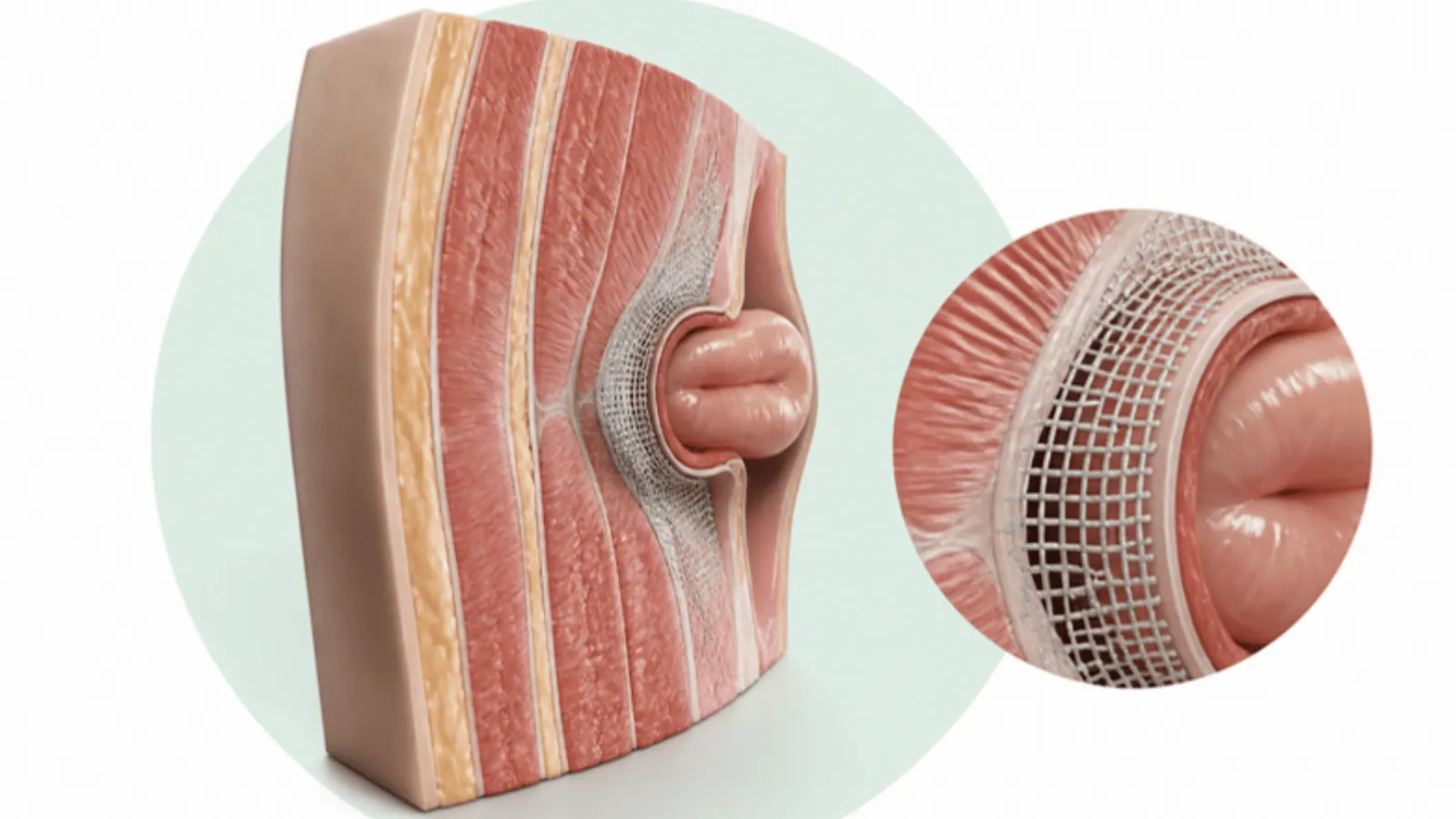
- Hernia repair — inguinal, umbilical, incisional, ventral, recurrent
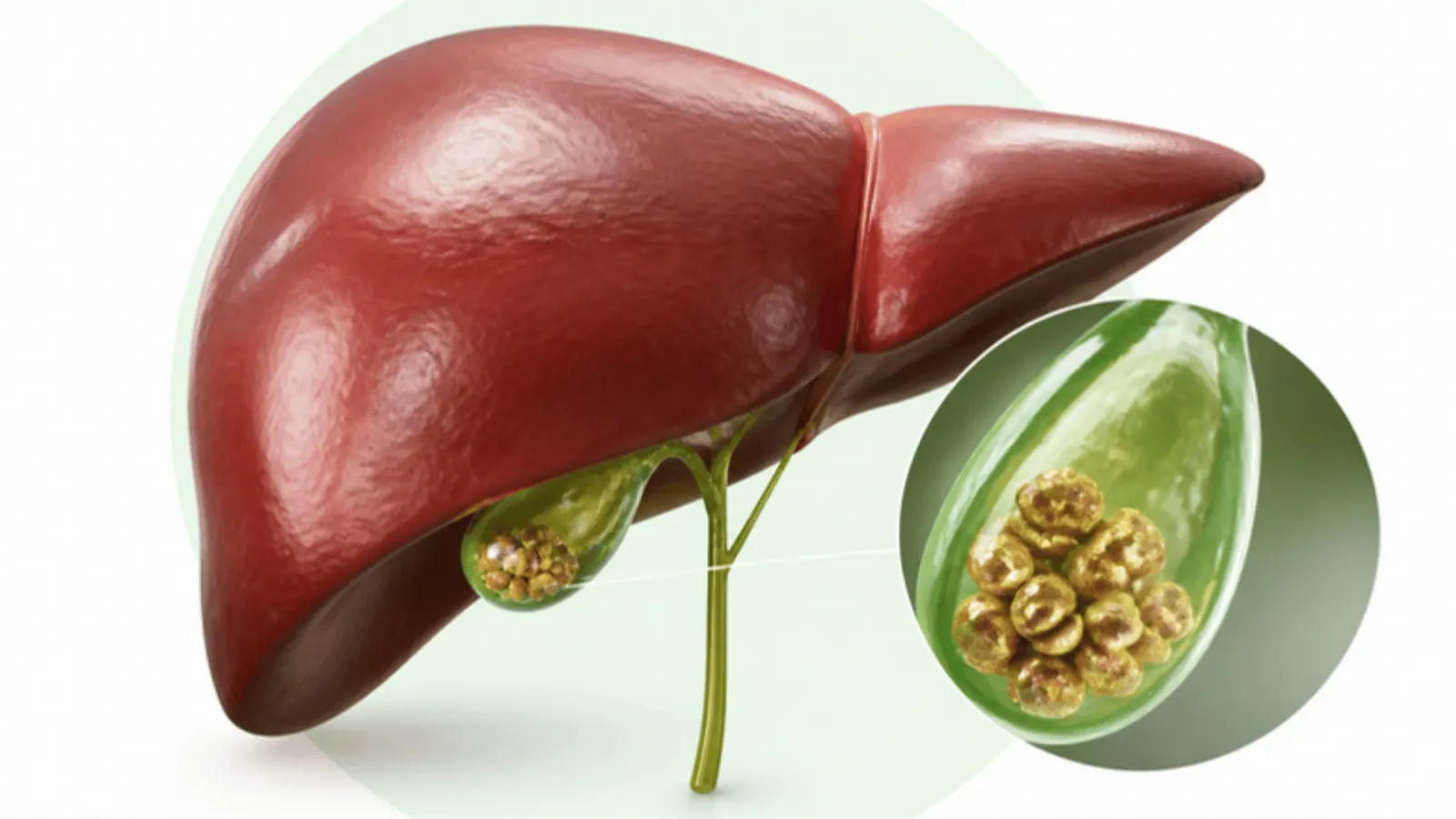
- Cholecystectomy
- Appendicectomy
- Bowel resection for diverticulitis, Crohn's, ulcerative colitis
- Adhesiolysis for intestinal obstruction
- Rectopexy for rectal prolapse
Is keyhole surgery right for everyone?
Most patients are suitable. Previous extensive surgery, very large tumours or emergencies may require open surgery. Dr. Raza assesses each patient individually and explains why one approach is recommended.
Book a consultation: +91 92780 72150