Many patients come to me having lived with a hernia for two, three, five years. They have tried a belt, avoided lifting, pushed the lump back in each evening. They ask the same question: can it heal by itself? The answer is no — and understanding why helps you make the right decision about when to fix it.
What a hernia is
The abdominal wall is a sheet of muscle and tough connective tissue that holds the intestines in. A hernia is a gap in that wall. Fat or a loop of bowel pushes through the gap, creating a bulge under the skin. The gap may be present from birth, or develop from years of strain, a previous surgical scar, pregnancy, obesity, chronic cough, or heavy lifting.
Why it cannot heal
Muscle and fascia do not regrow across a gap. Once the defect exists, the pressure inside the abdomen — every cough, every lift, every bowel movement — pushes against it. Over months and years the gap widens, not narrows. This is why hernias grow, and why a hernia that was "small and not bothering me" becomes large and uncomfortable.
What a belt or truss does
It holds the bulge in. It does nothing to the gap. Some people use one while waiting for surgery or if they are unfit for an operation, and that is reasonable. But it is not a treatment.
What happens if you wait
Three things, in order of likelihood:
1. It gets bigger and more uncomfortable. A larger hernia is a larger operation with a longer recovery.
2. It becomes irreducible. The contents can no longer be pushed back. This is uncomfortable and raises the next risk.
3. It strangulates. A loop of bowel gets trapped in the gap and its blood supply is cut off. Within hours the bowel begins to die. The
- symptoms are sudden severe pain, a hard tender lump that will not go back, vomiting, and sometimes fever. This is a surgical emergency, often requiring removal of a section of bowel, and it carries a real risk to life. Femoral hernias and small-necked hernias
- strangulate most often.
Strangulation is uncommon — published figures are under 1–3% per year for an untreated hernia — but it is the reason surgeons recommend planned repair rather than waiting for an emergency.
When watchful waiting is reasonable
If a hernia is small, causes no symptoms, and the patient is elderly or has serious heart or lung disease that makes anaesthesia risky, it is reasonable to monitor rather than operate. Many such patients never need surgery. This is a decision to make with a surgeon, not alone.
What modern repair involves
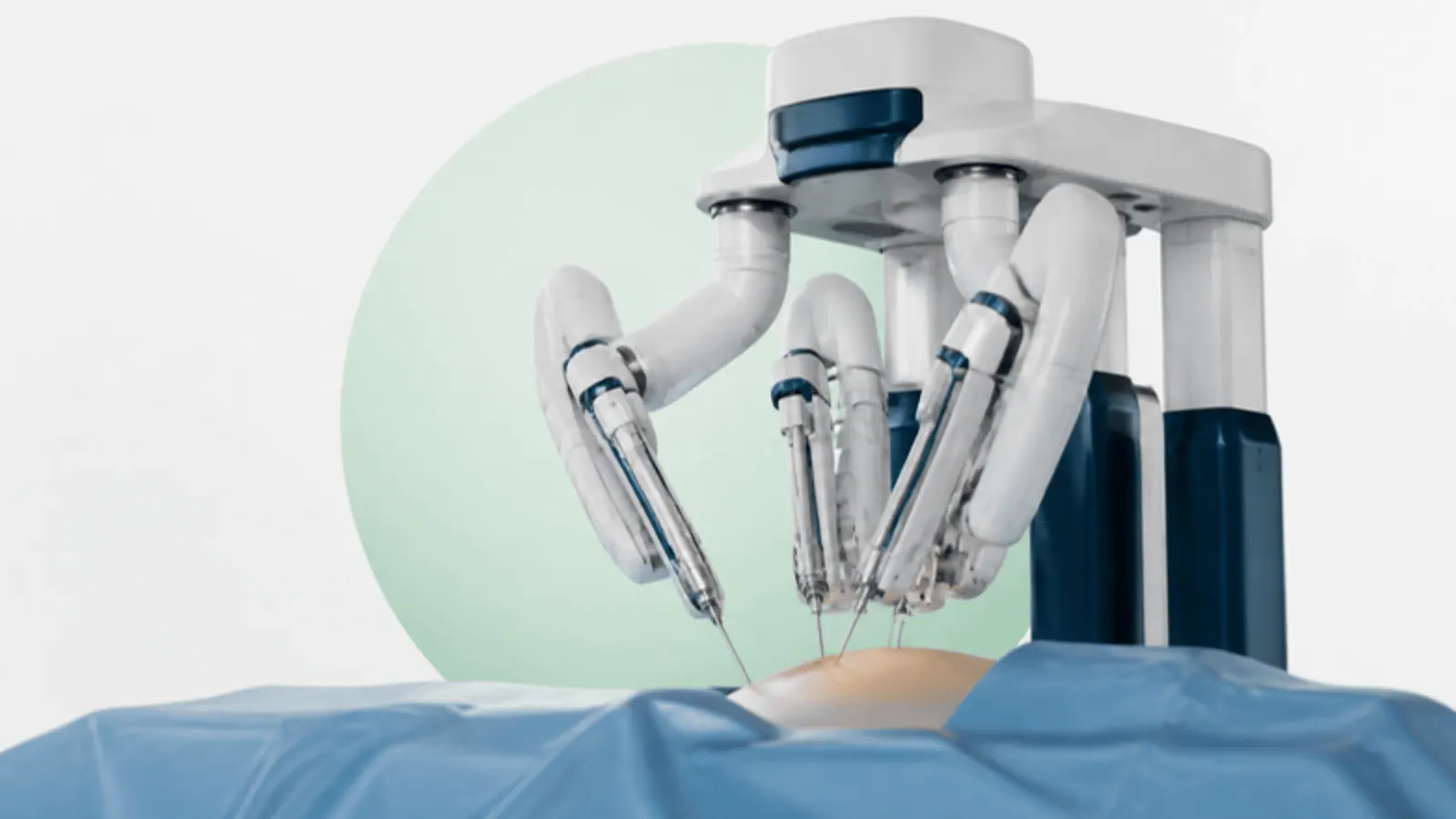
For most patients, laparoscopic (keyhole) repair: three small incisions, a mesh placed behind the muscle to reinforce the weak area, daycare or one-night stay, light work within a week, and published recurrence for inguinal hernia of around 1–4%. Incisional hernias carry a higher recurrence risk. Both sides can be repaired in one sitting if needed. Robotic repair offers additional precision for complex or recurrent hernias. Open repair remains appropriate for some very large hernias.
Questions
Treatment information
Hernia SurgerySources
- HerniaSurge Group. International guidelines for groin hernia management. Hernia 2018;22:1–165.
- Fitzgibbons RJ Jr et al. Watchful waiting vs repair of inguinal hernia in minimally symptomatic men: a randomized clinical trial. JAMA 2006;295:285–292.
- Bittner R et al. Guidelines for laparoscopic treatment of ventral and incisional abdominal wall hernias (IEHS). Surg Endosc 2014;28:2–29 and 2019 update.

Dr. Wasif Raza
MBBS, MS, MCh (Colon & Rectal Surgery, UK), FRCS (UK), FACS (USA). Colon & Rectal Cancer, Laparoscopic & Robotic Surgery, and General Surgery Specialist, Apollo Medics Superspeciality Hospitals, Lucknow. Reg. NMC 08-33828 · GMC 7555694.
Appointments: +91 92780 72150. This content is for information only and is not a substitute for consultation. Individual results vary.