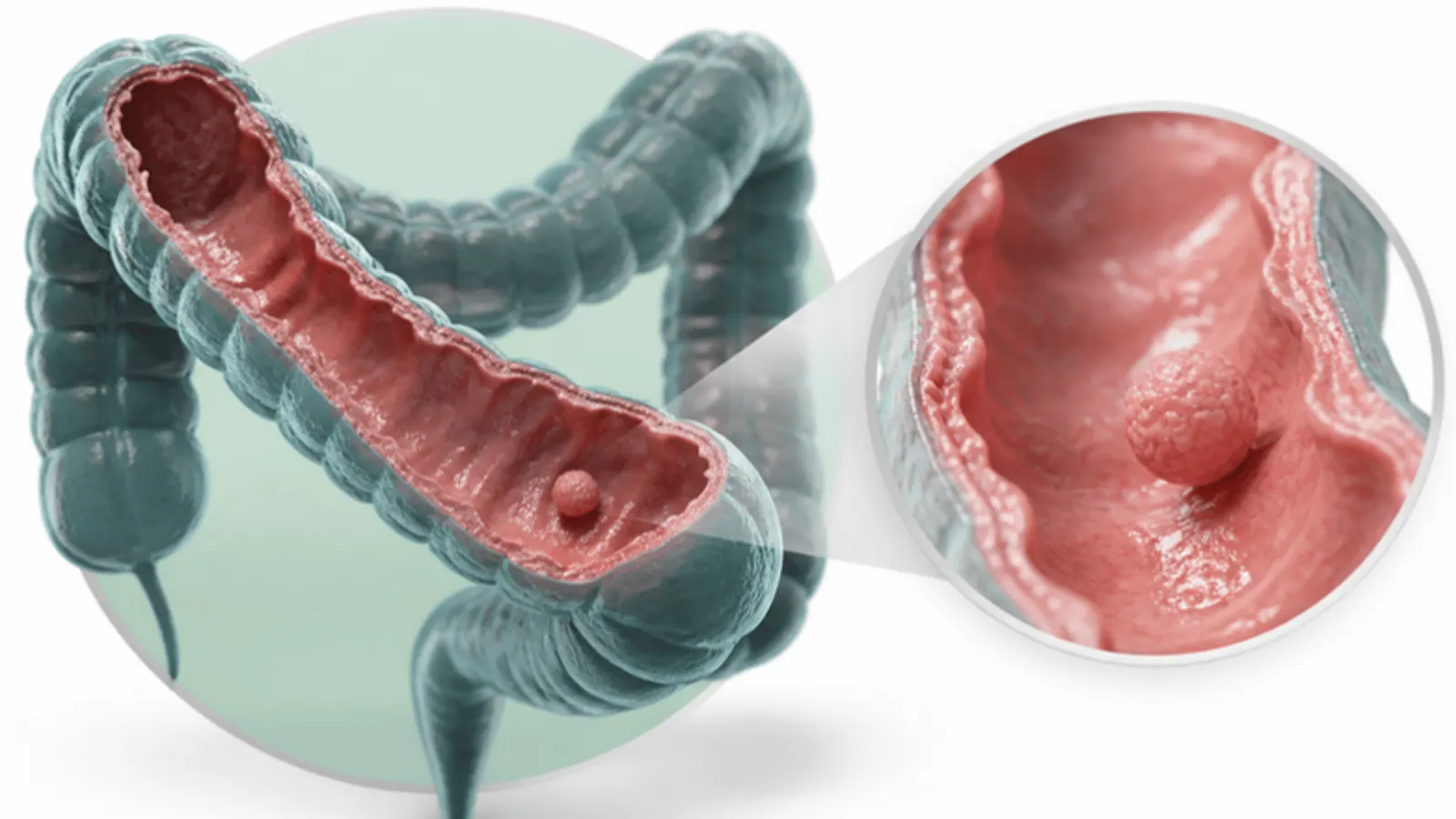
Finding blood when you go to the toilet is frightening. Most people's first thought is cancer. Most people's second thought is "it's probably just piles" — and then they wait. Both reactions are understandable, and both can be wrong. As a colorectal surgeon, I see patients every week who waited months. The reassuring truth is that most rectal bleeding is caused by something minor. The important truth is that you cannot tell which kind you have by guessing.
What the blood looks like matters
Bright red blood on the toilet paper, or a few drops in the pan after passing stool. This is the classic pattern of piles (haemorrhoids) or an anal fissure. The blood is fresh because it comes from the very end of the bowel. If there is also sharp pain during stool, a fissure is likely; if there is a lump or itching, piles are more likely.
Blood mixed into the stool, or streaked through it. This suggests the bleeding is coming from higher up — the rectum or colon. Causes include polyps, inflammatory bowel disease, diverticular disease, and colorectal cancer. This pattern always needs a colonoscopy.
Dark red or maroon blood, or clots. Usually from the colon rather than the anus. Needs investigation.
Black, tarry, foul-smelling stool. This is digested blood from the stomach or small intestine — ulcers are the commonest cause. It needs an upper GI endoscopy, and if you also feel dizzy or weak, it needs emergency care today.
Symptoms that change the picture
Bleeding on its own, in a young person, with a clear cause like constipation, is usually benign. Bleeding becomes more concerning when it comes with any of the following:
- A change in bowel habit — new diarrhoea, new constipation, or alternating — lasting more than two weeks
- Unexplained weight loss
- Persistent abdominal pain or bloating
- A feeling of incomplete emptying, or needing to go urgently without passing much
- Tiredness, breathlessness, or pale skin — signs of anaemia from slow blood loss
- Age over 50 with new bleeding (over 45 under some guidelines)
- A parent, sibling or child who had colorectal cancer or polyps
Any one of these alongside bleeding means you should see a colorectal specialist within a week or two — not wait to see if it settles.
Why "it's just piles" is a dangerous assumption
Piles are extremely common — up to half of adults have them by the age of 50. Colorectal cancer is also common, and rising in India, especially in people under 50. The two conditions can exist in the same person at the same time. A patient who has piles and starts bleeding naturally blames the piles. Sometimes the piles are bleeding. Sometimes a tumour a few centimetres higher is bleeding and the piles are innocent. There is no way to tell from the outside.
In the UK, where I practised for eight years, any patient aged 50 or over with unexplained rectal bleeding is referred for a specialist examination within two weeks. That rule exists because early colorectal cancer is highly curable and late colorectal cancer is not.
What happens when you see a specialist
The assessment is simpler than most people fear. I take a history and perform a gentle examination of the anus and lower rectum, which takes about a minute. In the clinic, a proctoscope — a short, narrow tube — lets me see the last few centimetres where piles and fissures live. If the bleeding pattern or your age or symptoms suggest anything higher up, I arrange a colonoscopy: a flexible camera that examines the entire colon in 20 to 30 minutes. If I find piles, they can often be treated by banding in the same session. If I find a polyp, it is usually removed on the spot.
Most patients leave with a diagnosis, a treatment, and peace of mind in a single visit.
What you can do today
- Note the colour, amount and pattern of bleeding, and whether there is pain
- Note any change in bowel habit or weight over the last few months
- Increase fibre and water — this helps piles and fissures while you arrange an appointment
- Book a specialist review — do not wait for it to "go away on its own"
Questions
Treatment information
Rectal BleedingSources
- NICE Guideline NG12 — Suspected cancer: recognition and referral (2015, updated 2023). Rectal bleeding referral thresholds.
- NICE Diagnostics Guidance DG56 — Quantitative faecal immunochemical testing to guide colorectal cancer pathway referral in primary care (2023).
- Davis BR et al. ASCRS Clinical Practice Guidelines for the Management of Hemorrhoids. Dis Colon Rectum 2018;61:284–292.
- Snook J et al. British Society of Gastroenterology guidelines for the management of iron deficiency anaemia in adults. Gut 2021;70:2030–2051.

Dr. Wasif Raza
MBBS, MS, MCh (Colon & Rectal Surgery, UK), FRCS (UK), FACS (USA). Colon & Rectal Cancer, Laparoscopic & Robotic Surgery, and General Surgery Specialist, Apollo Medics Superspeciality Hospitals, Lucknow. Reg. NMC 08-33828 · GMC 7555694.
Appointments: +91 92780 72150. This content is for information only and is not a substitute for consultation. Individual results vary.