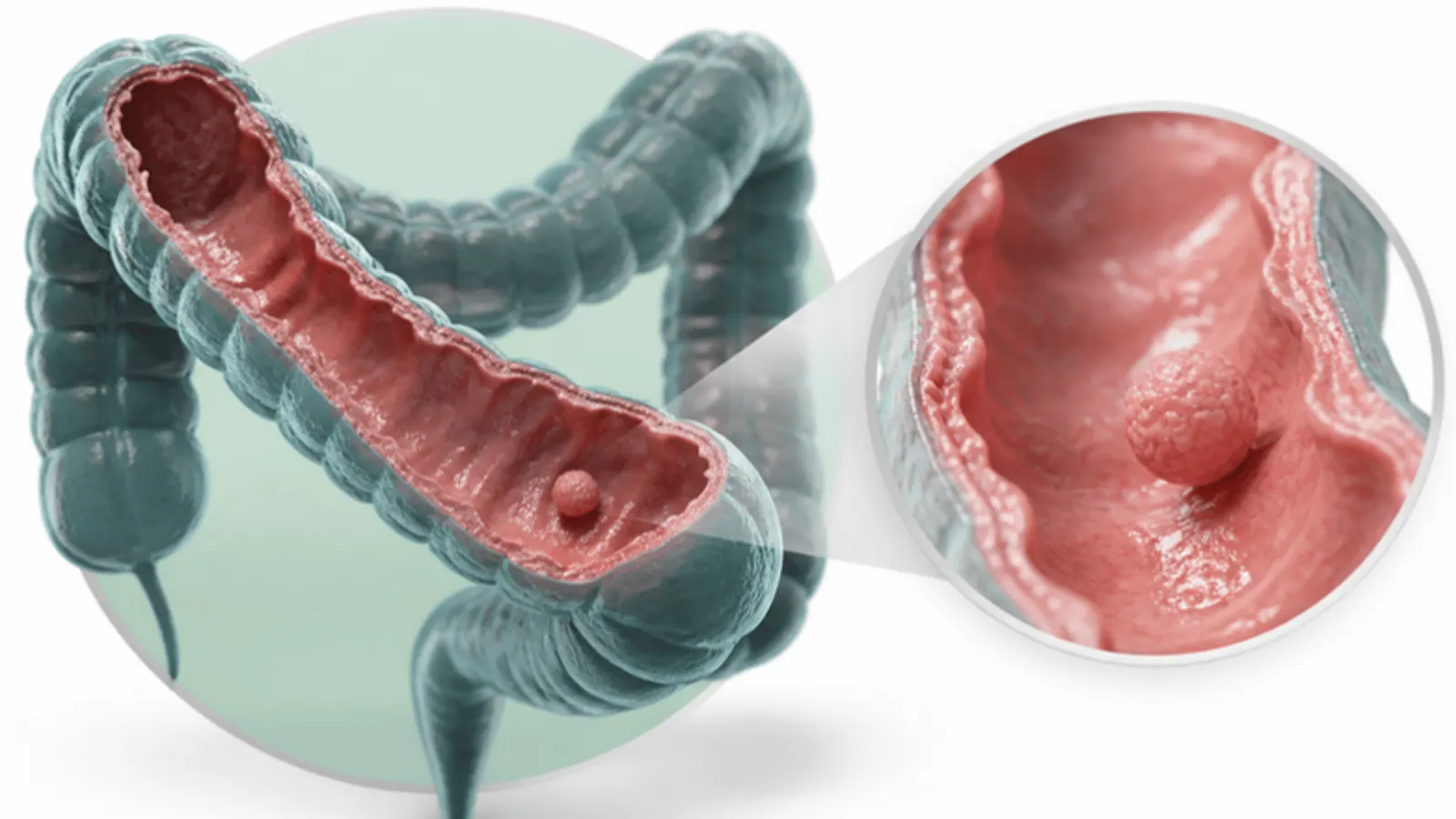
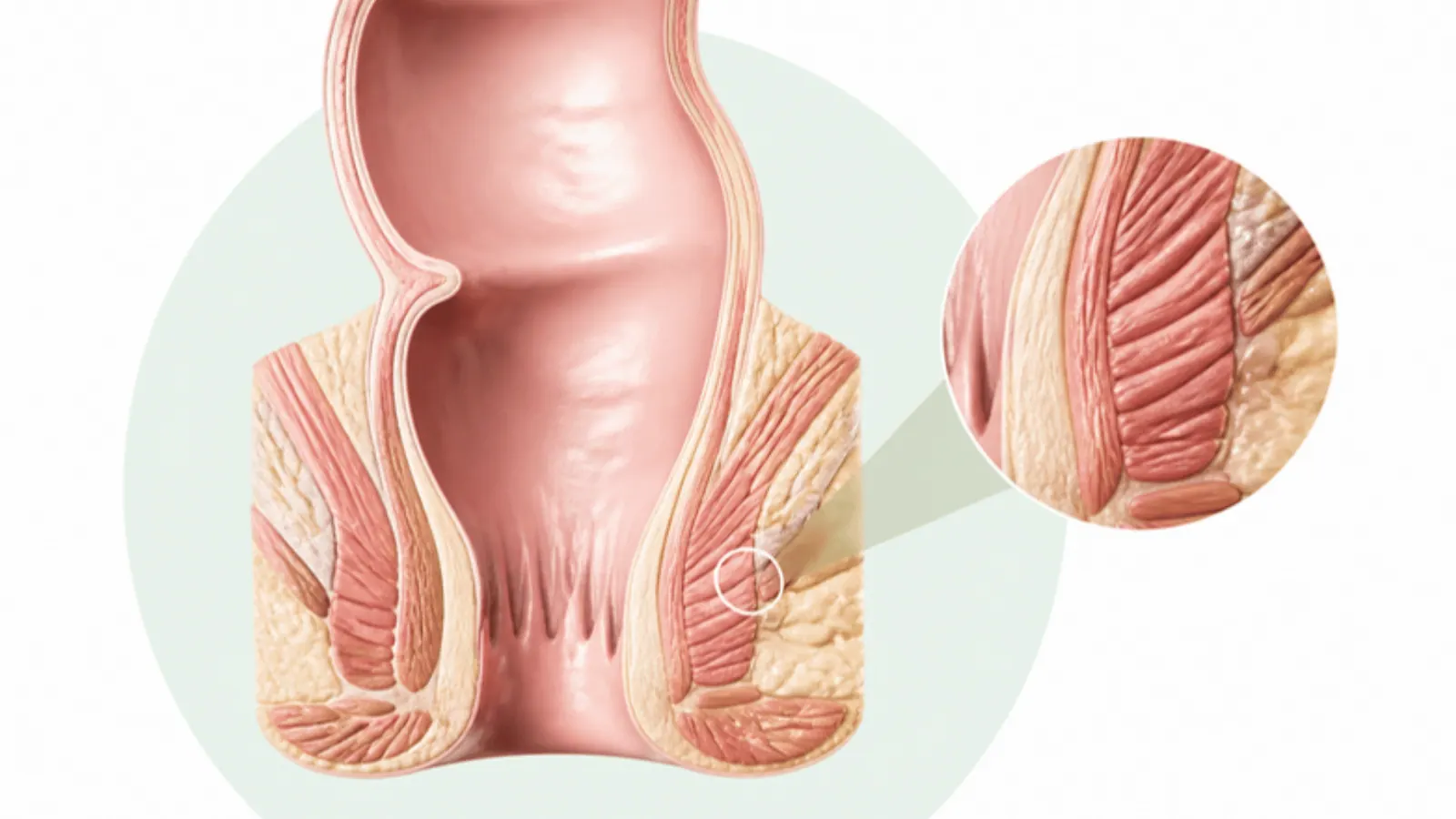
Patients use the word "piles" for almost any problem near the anus. In clinic, many patients who say they have piles actually have a fissure, and some have a fistula. The three conditions feel different, are caused by different things, and are treated differently — so getting the name right matters.
Piles (haemorrhoids) — the lump that bleeds
What it is: Swollen blood vessels inside or just outside the anus. Everyone has these vessels; piles are what we call them when they enlarge and cause trouble.
Key symptoms: Painless bright red bleeding on the paper or in the pan; a lump that comes out during stool and goes back on its own or with a push; itching; mucus. Pain is unusual unless a clot forms in an external pile, which causes a sudden, very tender swelling.
Cause: Straining, constipation, pregnancy, prolonged sitting on the toilet, chronic cough, heavy lifting.
Treatment: Fibre and fluids first. Banding in the clinic for Grade 1–2. Laser, stapled or surgical removal for Grade 3–4.
Anal fissure — the tear that hurts
What it is: A small split in the skin lining of the anal canal, usually at the back.
Key symptoms: Sharp, cutting pain during stool, often described as "passing glass", lasting minutes to hours afterwards; a streak of bright red blood on the paper; sometimes a small skin tag at the edge of the anus. The pain makes patients hold on, which hardens the stool and worsens the tear.
Cause: Passing a hard stool; sometimes diarrhoea; sometimes childbirth.
Treatment: Stool softeners, warm sitz baths and a prescription ointment that relaxes the anal muscle heal most acute fissures in 4–6 weeks. Chronic fissures that fail this are cured by a 10-minute day-case procedure (lateral internal sphincterotomy) with over 95% success.
Anal fistula — the tunnel that discharges
What it is: An abnormal tunnel running from inside the anal canal to an opening on the skin nearby. It almost always begins as an abscess — a painful collection of pus — which bursts or is drained, leaving a tract that never closes.
Key symptoms: Recurring boil or swelling near the anus that discharges pus or blood-stained fluid, then settles, then returns; persistent dampness or irritation; pain when sitting or during stool, particularly when the opening blocks and pus builds up. There may be a visible small hole on the skin.
Cause: Infection of a tiny gland inside the anal canal. Occasionally Crohn's disease or tuberculosis.
Treatment: Surgery is the only cure — no cream, antibiotic or home remedy closes the tunnel. The technique depends on how much sphincter muscle the tract crosses, which is why an MRI is often done first. Options range from simple laying-open (fistulotomy) to sphincter-preserving procedures like LIFT, seton, flap or laser.
Quick comparison
| Piles | Fissure | Fistula | |
|---|---|---|---|
| Main symptom | Bleeding + lump | Sharp pain during stool | Recurring boil + discharge |
| Pain | Usually none | Severe, with stool | Dull, worse when blocked |
| Bleeding | Bright red, often drips | Streak on paper | Blood-stained pus |
| Can heal without procedure? | Grade 1–2 often | Acute — often | Never |
| Usual treatment | Banding / laser / surgery | Ointment → sphincterotomy | Surgery |
The one thing they share
All three can cause bleeding — and so can colorectal cancer. Whatever you think you have, bleeding that persists beyond two weeks needs a specialist examination to confirm the diagnosis.
Questions
Treatment information
Piles (Haemorrhoid) SurgerySources
- Davis BR et al. ASCRS hemorrhoids guideline. Dis Colon Rectum 2018;61:284–292.
- Stewart DB Sr et al. ASCRS Clinical Practice Guideline for the Management of Anal Fissures. Dis Colon Rectum 2017;60:7–14.
- Gaertner WB et al. ASCRS Clinical Practice Guidelines for the Management of Anorectal Abscess, Fistula-in-Ano, and Rectovaginal Fistula. Dis Colon Rectum 2022;65:964–985.
Dr. Wasif Raza
MBBS, MS, MCh (Colon & Rectal Surgery, UK), FRCS (UK), FACS (USA). Colon & Rectal Cancer, Laparoscopic & Robotic Surgery, and General Surgery Specialist, Apollo Medics Superspeciality Hospitals, Lucknow. Reg. NMC 08-33828 · GMC 7555694.
Appointments: +91 92780 72150. This content is for information only and is not a substitute for consultation. Individual results vary.